
Major League Baseball (MLB) home run odds have become one of the most popular parts of baseball betting. In most cases, they focus on exciting moments that can instantly change a game. Many bettors enjoy these markets because they are simple to understand and centred on individual players rather than full team results.
Modern sports betting has also changed how MLB home run odds are presented and tracked throughout the day. Sportsbooks now offer live odds updates, detailed player data, and flexible betting options that make these markets more accessible to a wider audience. Because of these features, home run props have become a regular part of the MLB betting experience across many online platforms.
Breaking Down the Board
FanDuel MLB home run odds are among the most popular examples of how player prop betting works on modern sportsbooks. The platform usually lists home run markets before each game, allowing bettors to choose whether a specific player will hit a home run during the match-up. These odds are presented in American odds format, which is commonly used across US sportsbooks.
The numbers beside each player indicate both the potential payout and the implied probability. For example, odds of +300 mean a £100 wager would return £300 in profit if the player hits a home run. Meanwhile, a player at +700 offers a larger payout because the sportsbook considers the outcome less likely. In most cases, star sluggers receive shorter odds, while lower-ranked hitters are given higher returns due to their reduced home run chances.
Batter vs Pitcher
Pitcher match-ups are comparisons between a batter and the opposing pitcher to assess how favourable the situation is for hitting a home run. Some pitchers allow more fly balls, while others give up hard contact more often. Power hitters facing pitchers with poor home run numbers usually receive shorter odds. This is why bettors often compare both the hitter and pitcher before making a decision.
Handedness also plays a major role in these match-ups. Certain hitters perform much better against left-handed pitchers, while others are stronger against right-handers. Pitch type matters as well because some batters handle fastballs better than breaking balls. Looking at these details creates a clearer picture of how favourable the match-up may be for a potential home run.
Ballparks Change Everything
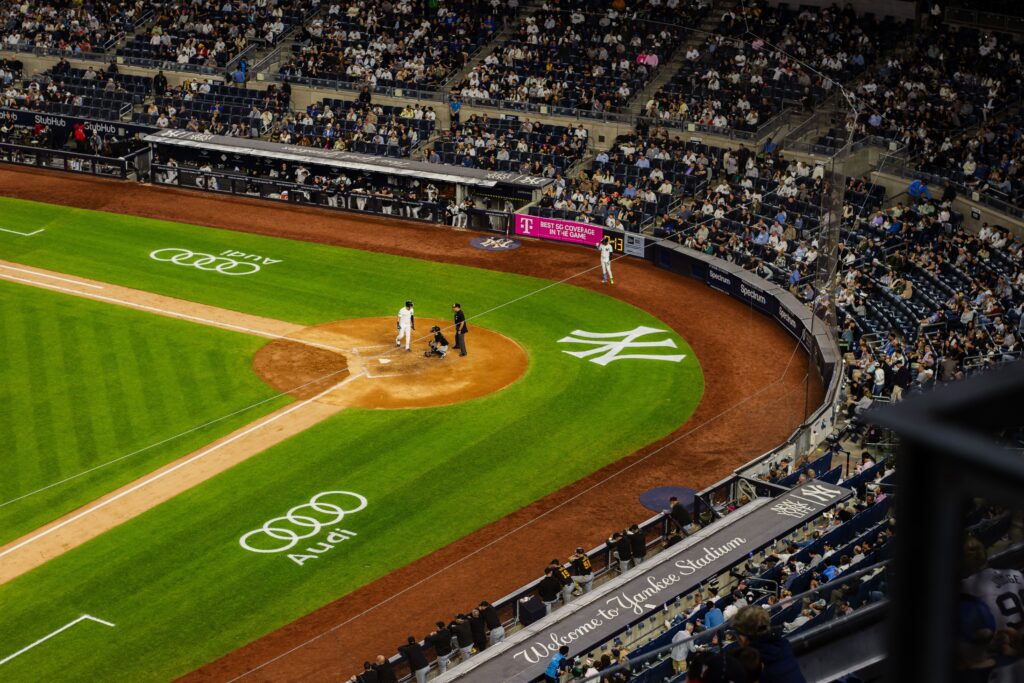
Not every MLB stadium plays the same way for hitters. Some ballparks have shorter fences or dimensions that favour home runs, especially down the foul lines. Stadiums like Yankee Stadium are often discussed because fly balls can more easily leave the park in certain areas. Because of this, sportsbooks adjust home run odds depending on where the game is being played.
Weather conditions can also affect how the ball travels during a game. Warm temperatures and wind blowing toward the outfield generally benefit hitters. On the other hand, heavy air or strong winds blowing in can reduce the chances of a home run. Checking weather reports before the first pitch has become a common step for many MLB bettors.
Odds in Motion
Live betting has become a major part of MLB wagering because odds continue to update throughout the game. Home run odds can shift quickly based on game situations, pitching changes, and player performance. If a hitter has already made solid contact earlier in the game, sportsbooks may reduce the payout for that player’s next at-bat. These updates happen in real time throughout the match-up.
Bullpen usage also affects live home run betting. A struggling relief pitcher entering the game may create better opportunities for power hitters later in the innings. In some cases, odds move significantly after a pitching substitution is announced. Following the game closely helps bettors understand why these changes happen as the action unfolds.
The Parlay Gamble
Many sportsbooks allow bettors to combine multiple selections into one wager through parlays. A same-game parlay might include a player to hit a home run, another player to record an RBI, and the team winning the game. Combining these picks increases the total payout because several outcomes must happen together. However, each added selection also makes the ticket harder to cash.
In turn, many bettors use parlays carefully instead of building overly large combinations. Smaller parlays are easier to follow and usually feel more manageable for newer bettors. It also helps to understand how each selection is connected within the same game. For example, a team expected to score many runs may naturally create better opportunities for home run props.
Inside MLB Home Run Odds
MLB home run odds work by estimating the likelihood of a player hitting a home run during a game based on several factors. These odds are usually shown in American format, with shorter odds given to players considered more likely to hit a home run. Before setting the odds, sportsbooks analyse player performance, pitcher match-ups, stadium conditions, weather, and recent form for each hitter.
Modern sportsbooks also update home run odds live during games as situations and pitching changes happen in real time. Many bettors use these odds in parlays and same-game parlays to combine multiple selections into a single wager. All of these features have made MLB home run odds continue to play a major role in modern sports betting markets.